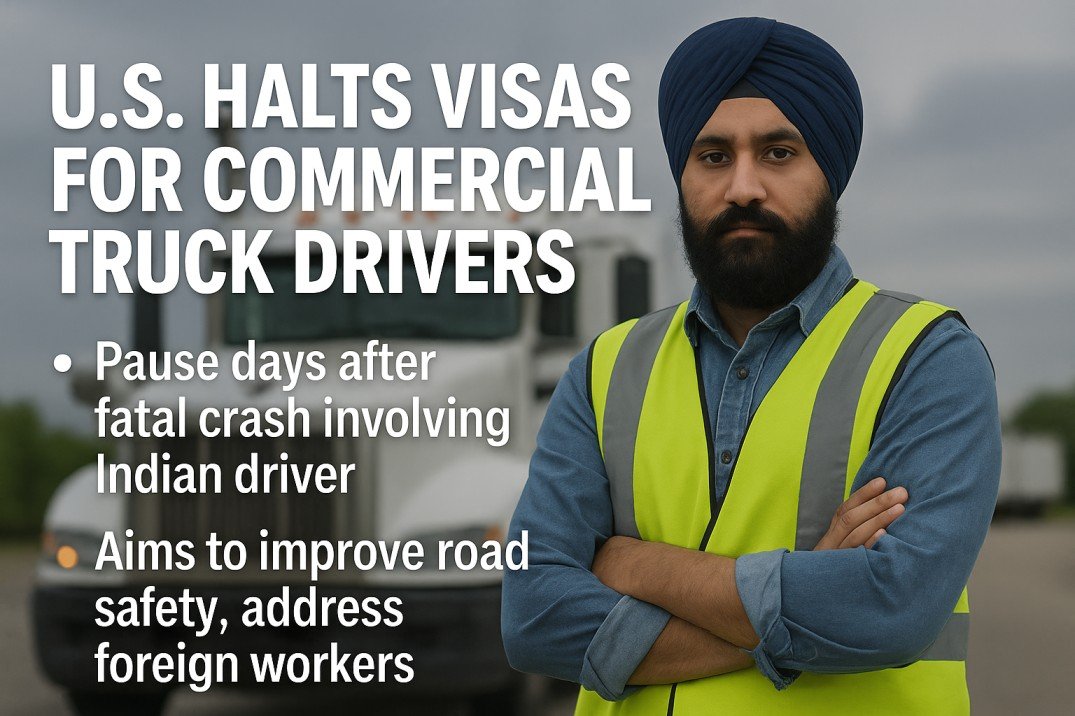
US Halts Worker Visas for Truck Drivers After Fatal Crash: What It Means for the Industry
The U.S. has paused the issuance of worker visas for commercial truck drivers after a fatal crash involving an Indian driver. This landmark decision sparks controversy, reshapes immigration policies, and sends shockwaves through the trucking industry. Discover the facts, the political fallout, and what every truck driver, employer, and foreign worker needs to know about the future of visas for commercial truck drivers and the impact on U.S. roads.
Why Did the U.S. Halt Worker Visas for Truck Drivers?
The U.S. State Department announced it was pausing all issuance of worker visas for commercial truck drivers—effective immediately—following a fatal crash caused by Harjinder Singh, an undocumented driver from India. Secretary of State Marco Rubio’s statement crystallized the issue, citing “the increasing number of foreign drivers operating large tractor-trailer trucks on U.S. roads is endangering American lives and undercutting the livelihoods of American truckers.” The halt is meant to improve road safety following a string of incidents and mounting concerns about foreign drivers operating large tractor-trailer trucks on U.S. roads, as well as the impact on American truckers’ jobs.
Rubio said the decision came amid “urgent calls for action following the Florida Turnpike tragedy.” The Department of State aims to improve road safety and reevaluate the process for issuing worker visas for commercial truck drivers, with support from the Trump administration.
Learn more about the official announcement from Secretary Marco Rubio on X (formerly Twitter) here.
How Did the Fatal Crash Involving an Indian Driver Prompt Action?
On August 12, 2025, Harjinder Singh, an undocumented immigrant from India, made an illegal U-turn with his semi-truck on the Florida Turnpike, causing a violent collision and killing three people. Singh faced charges of three counts of vehicular homicide and is currently detained.
Singh entered the U.S. illegally in 2018 and obtained commercial licenses from California and Washington states, despite failing basic English and road sign tests. After the crash, Florida officials highlighted gaps in visa screening, English language enforcement, and licensing for foreign truck drivers. Singh’s actions raised national alarm and triggered the halt of worker visas for commercial truck drivers.
The crash not only brought international scrutiny but also escalated the debate on immigration enforcement. You can read details of Harjinder Singh’s arrest and extradition here.
What Visas for Commercial Truck Drivers Are Paused?
The U.S. halted the issuance of all worker visas for commercial truck drivers, including key visa categories such as H-2B (temporary work visas), E-2 (treaty investor visas), and EB-3 (permanent employment-based visas).
This unprecedented move means foreign-born drivers and those seeking work visas for commercial truck driving face a complete freeze on new applications. The issuance of worker visas remains paused as regulatory agencies conduct a comprehensive review and rework the vetting system for commercial license applicants.
For more details about paused truck driver visas, check the State Department’s announcement here.
What Are the New English Proficiency Requirements for Truck Drivers?
After the crash involving Singh, Transportation Secretary Sean Duffy announced that truck drivers must now prove English proficiency to get a commercial license and operate large tractor-trailer trucks on U.S. roads. The Federal Motor Carrier Safety Administration (FMCSA) started enforcing old regulations that were softened in 2016, requiring drivers to:
- Speak and read English
- Understand and respond to law enforcement and employers in English
- Recognise and comprehend U.S. road signs
Noncompliance means truck drivers can be placed out-of-service or denied a commercial license. Last July, Reuters reported that Mexican truck drivers in Ciudad Juarez began English lessons to comply with the new executive order. Learn more about FMCSA requirements here.
How Many Truck Drivers in the U.S. Are Foreign-Born?
The FMCSA estimates that about 16% of truck drivers in the U.S. were born outside the country. Foreign-born drivers now make up 18% of America’s trucking workforce—a sharp increase that has affected the industry’s skill pool, wages, and compliance with safety standards.
This increase in the number of foreign truck drivers comes amid debates about undercutting the livelihoods of American truckers and ensuring all commercial drivers can safely operate large tractor-trailer trucks on U.S. roads.
Review government figures on the rise of foreign-born truck drivers here.
What Does the Nationwide Visa Review Mean for Truck Drivers?
Alongside the truck driver visa halt, the administration has launched a review of over 55 million U.S. visa holders—with comprehensive vetting for overstays, criminal activity, safety risks, and even social media posts. According to the State Department, if any visa holder—including truck drivers holding a work permit—violates terms or poses a threat, their visa can be revoked and they can face deportation.
This huge crackdown is intended to align immigration with “foreign policy interests” and improve road safety following incidents. Truck drivers, visa holders, and employers face increased scrutiny, more documentation requirements, and uncertainty about continued work authorization, especially for those who have entered illegally or failed the test for a commercial license.
Read more about the administration’s broad visa review effort here.
How Will the Halt Impact the Livelihoods of American Truckers?
The halt addresses concerns about undercutting the livelihoods of American truckers and the impact of the increasing number of foreign drivers on job security and wages. Trucking industry groups, including the Owner-Operator Independent Drivers Association, have called for suspending non-domiciled commercial licenses and stricter enforcement to protect American truckers’ interests.
Many American truckers say foreign workers have affected their working conditions due to increased competition, lower wages, and declining job stability. The halt is designed to restore balance, reduce risks on U.S. roads, and support domestic employment.
For truckers’ responses and policy updates, see the industry’s reaction here.
How Does This Change Affect Supply Chains and U.S. Roads?
Pausing visas for truck drivers may intensify the driver shortage and disrupt supply chains across the U.S., especially at a time when the industry struggles to fill open positions and deliver goods on time. Foreign drivers often help meet demand during busy seasons and maintain continuity, especially for big logistics firms.
Disruptions could lead to delayed shipments, higher costs, and inefficiencies. Employers now face more rigorous vetting and compliance steps, while truck drivers must meet higher standards to continue working in the U.S.
See more about the trucking industry’s driver shortage and trends here.
What Are the Key Political Debates Around Truck Driver Immigration?
The fatal crash sparked fierce debate between state and federal officials, with Florida Governor Ron DeSantis blaming California’s “sanctuary state” policies for allowing Harjinder Singh to obtain a commercial license despite failing language tests. California’s Governor Gavin Newsom shot back, saying federal agencies granted Singh’s work permit and that state licensing followed federal rules.
As the truck driver visa halt reshapes immigration enforcement, transportation regulation, and state-federal relationships, both parties seek stricter cooperation and improved road safety following fatal incidents.
Catch up on the political showdown around the Florida crash and visa halt here.
What Are the Main Issues for Current Visa Holders and Trucking Employers?
Current visa holders—truck drivers with a work permit—face uncertainty. The new review regime means even legal, documented workers could face scrutiny, revocation, or deportation for violations. Employers must consider new compliance standards, more paperwork, and shifting hiring requirements for foreign workers.
Truck drivers paused by the new rules must meet strengthened proficiency, safety, and documentation checks, making it harder to continue working or renewing existing visas for foreign truck drivers.
For guidance and options for employers and truck drivers, check legal resources here.
What’s Next for Worker Visas for Foreign Truck Drivers?
For now, the Trump administration and the State Department have paused worker visas for commercial truck drivers indefinitely. The aim is to improve road safety and enforce the requirement that truckers speak English, follow regulatory standards, and meet all criteria. While advocates worry about the driver shortage and industry disruption, public safety concerns outweigh short-term economic issues.
The administration will review rules for foreign workers, licensing requirements, and English proficiency standards, making future visa issuance contingent on compliance and successful documentation. The future remains uncertain for foreign truckers and U.S. employers relying on work visas for commercial truck drivers.
FAQs About Truck Driver Visas, Fatal Crash, and U.S. Policy
Q: Who is affected by the halt to worker visas for commercial truck drivers?
A: All foreign nationals seeking work permits for truck driving, especially under the H-2B, E-2, or EB-3 visa categories.
Q: Why did the U.S. decide to halt worker visas for truck drivers?
A: To improve road safety following incidents caused by foreign drivers operating large tractor-trailer trucks and to protect the livelihoods of American truckers.
Q: What triggered the halt to visas for foreign truck drivers?
A: The fatal crash in Florida involving Harjinder Singh, an Indian driver who made an illegal U-turn and killed three people, exposed gaps in visa vetting and language proficiency enforcement.
Q: Are current visa holders safe from deportation?
A: No. The State Department is reviewing all 55 million US visa holders; violations can lead to revocation and deportation.
Q: How will the halt impact the trucking industry and employers?
A: Employers face driver shortages, new compliance standards, and uncertain hiring practices for foreign workers. Supply chains may face delays due to reduced workforce availability.
Key Takeaways: Things to Remember
- The U.S. has paused all worker visas for commercial truck drivers following a fatal crash involving an Indian driver and heightened safety concerns.
- The pause affects thousands of foreign truckers seeking work visas and those currently operating under temporary permits.
- English proficiency requirements are now strictly enforced for all truck drivers seeking commercial licenses.
- The number of foreign drivers operating large tractor-trailer trucks on U.S. roads fuelled concerns about safety and undercutting the livelihoods of American truckers.
- The Trump administration’s broad review of 55 million US visa holders means increased scrutiny, revocation, and deportation for violations.
- The halt may worsen driver shortages and disrupt supply chains but aims to improve road safety and protect American interests.
- Political battles between state and federal agencies over licensing, enforcement, and work permits will continue shaping immigration and transportation policies.
- Employers and truck drivers should stay informed about changing regulations, seek legal guidance, and be prepared for evolving industry standards.
- The future of worker visas for foreign truck drivers is uncertain, with ongoing debates about the best way to balance safety, jobs, and economic needs.
For updates and ongoing news on visas for truck drivers, immigration crackdowns, and key transportation policies, follow reputable sources such as the State Department, FMCSA, and leading transportation media.